As I began the PGA Journey, I wasn’t sure where it might take me. I can truly say that the PGA HOPE was not on my radar screen. I didn’t really even know what it was. If you don’t know, PGA HOPE is a program that the PGA of America designed and developed to give something back to our Veterans. It allows them to connect with other service members from all different branches of service and escape for a short time each week via golf. PGA Professionals give some instruction and interact with the vets.
This sounds simple, but the feeling I get when I leave one of these sessions is so rewarding. The appreciation from the Veterans is off the charts as well. This program is just awesome.
If you’ve read any of my prior posts, you know that I competed in several endurance sports in a prior life. I did a couple of Half Ironman distance races as a partner with Wounded Warriors. This is to say that I hit up all my friends and family for donations to raise money for the Wounded Warrior foundation. Once at the race, however, I “partnered” with a wounded warrior. We would race our own races, but we met and chatted prior to the race, during training, and then again afterwards. In my first race with Wounded Warriors, I was partnered with an athlete who lost a hand. My first thought was that’s awful, but this is an endurance race, so I’m glad he has both legs and feet. Then I realized that this race includes a 56 mile bike ride – you need your hands to shift, brake and steer the bike – and rest on them as you pedal. A Triathlon/ time trial bike is different from a normal road bike – the gears and the brakes are in different spots. Missing a hand was a serious challenge.
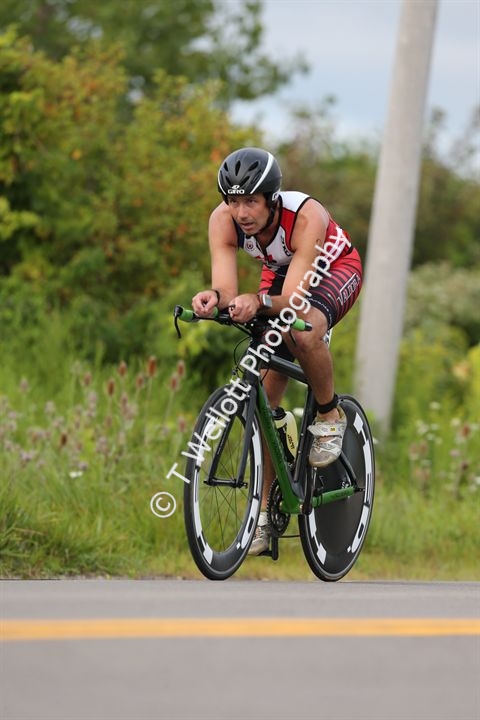
This guy was inspirational. He figured out how to get it done. Afterwards, he was more interested in MY race than his own. I learned a lot hanging with him over those days.
In the years that followed, I did some work with Amputees through the Eastern Amputee Golf Association. I played golf with some remarkable people with some incredible resolve. A former hockey player turned golf touring professional who lost part of his leg (and I had to play my a$$ off to tie him). A former D1 College player who lost his arm and played golf one handed (calling himself “the one armed bandit”). I would do club fittings for other people like this as well. Full disclosure, I never really knew what I was doing – I just bumbled and fumbled my way through it. This is when I stumbled on the training for the PGA HOPE program. It was all about working with people with disabilities specifically related to golf. I encounter this on occasion and thought it would help me in my career with Callaway as a Master Club fitter. I registered for the training.
A few days before the training, I got an email saying if you play golf right handed, bring a left handed 7 iron. Oh boy… I stink hitting balls left handed. This ought to be good. Stage fright… Hitting balls Lefty in front of a group of fellow professionals. I thought of bailing out. Or “conveniently” forgetting my lefty 7 iron. After 3 hours of classroom training, we head to the range, where we all partner with a fellow PGA Professional. I partnered with Mike Clawson of Southern Meadows GC. We were greeted by a chair on the right side of the golf ball that was facing the ball. Mike had to teach me how to hit balls from a seated position. Left handed. With my feet held off the floor. Seriously?? I thought Good luck. I wasn’t sure if I could do this right handed, but I sat down. I immediately thought I’m going to kill my wrists on my knees when I try to do this. Together, Mike and I figured it out, and then I had to teach him. It was eye opening to recognize what someone else must be going through to learn these skills that I take for granted every day. We tried different chair positions, then we were handed a driver – and a tee that was 2 feet tall. Like a T-ball tee for little leaguer. I popped one out there 200 yards – Bat Flip!! Haha. Just when I was feeling pretty good about things, I realized I still had to teach Mike how to do it. Haha. After a few more awkward things to try, the instructor handed me a small piece of fabric, which I quickly realized as a blindfold. Panic… You mean I have to hit balls blind folded? Left handed?? Oh my… Mike walked me to the right spot, and coached me through it. Neither one of us whiffed, and after a few tries, we both hit a couple of decent shots (compared to a beginner, LOL). Pretty impressive I thought!! Certificate earned.
PGA HOPE sessions run for 6-8 weeks, with one session per week. There are generally 5 students per Instructor, so each PGA Professional gets a few students and it’s like a mini clinic for your small group. I couldn’t wait to start. Unfortunately, my Callaway work was very busy for the first session and most of the second session. When I went to my first session, the group was in their fifth. I got there at 9:30 for a 10am start. There were 5 or 6 veterans already there. They came right over to me and introduced themselves. They wanted to know all about ME. I wanted to hear their stories, and immediately had a flashback to the Wounded Warrior athlete. We shared stories. They had quite a few stories. The group was warm and welcoming, and it was clear that they loved this get together. All of the vets knew one another and interacted outside of the PGA HOPE sessions. For this session, we ended up with as many instructors as we had “students”, so I had a nice one on one with a Vet named Glen who lived near where I grew up. We did more talking than learning, and I think we were both OK with that. Afterwards, I handed out a few Callaway hats and chatted in the parking lot with the fellas for some time.
The next week was graduation week. We played a 4 man scramble. I was excited. I wanted to play a few holes with these guys. We ended up with 12 vets and 3 instructors, so I coached my “team”. Everyone had shots that counted and we played even par. High fives all around.
After graduation, I chatted with a retired Marine. He had not played golf before this Hope program. He was from Iowa. He traveled the country in an RV. He stopped where he felt like it, and stayed until he was sick of it. He earned a PGA Hope plaque that day. That evening, he sent me a text message with a picture of his plaque in his “front yard” leading up to his RV – right next to his American Flag and USMC Flag. Underneath it, he thanked ME for all I had done for him. Choked up, I said it doesn’t work that way. Only I get to Thank you to you. ;).Funny thing is, the more of these vets I meet, the more of them that are just like this. So appreciative. I makes me want to do more for them.
I was somewhat surprised that some of the Vets showed up and sat in chairs. They didn’t want to come for the golf. They wanted to see their buddies. I went over to chat with them and they were happy to oblige. This program is so good for both sides. The training was one of the coolest things I have done in 30 years in the industry. Hats off to the PGA for putting this program in motion. I’ll be there as often as I can. I can’t think of a more meaningful way to spend a Sunday morning.
Since this first session, I have done three more. Each group has its own vibe. All the vets start out as strangers and leave as friends. They all share a common bond of putting their lives on the line for this great nation, but the game of golf has given them one more. I will drop what I’m doing and assist in one of these programs anytime I am called upon. It’s the very least I can do.
 Jim Yeager Golf
Leave a comment